
- November 3, 2025
- 2 Mins Read
Practical Ways to Make an Extension More Energy Efficient
Sustainability in a home extension usually isn’t about anything dramatic. It’s mostly about insulation, glazing and airtightness, done properly, which building regulations require anyway but are worth understanding rather than just ticking off.
Insulation is where the real gains are
A well-insulated extension with decent windows will outperform most add-on sustainability features you could bolt onto it later. Building regulations set minimum standards for wall, roof and floor insulation (Part L), and it’s usually worth going a bit beyond the minimum where the cost difference is small.
Glazing is a trade-off
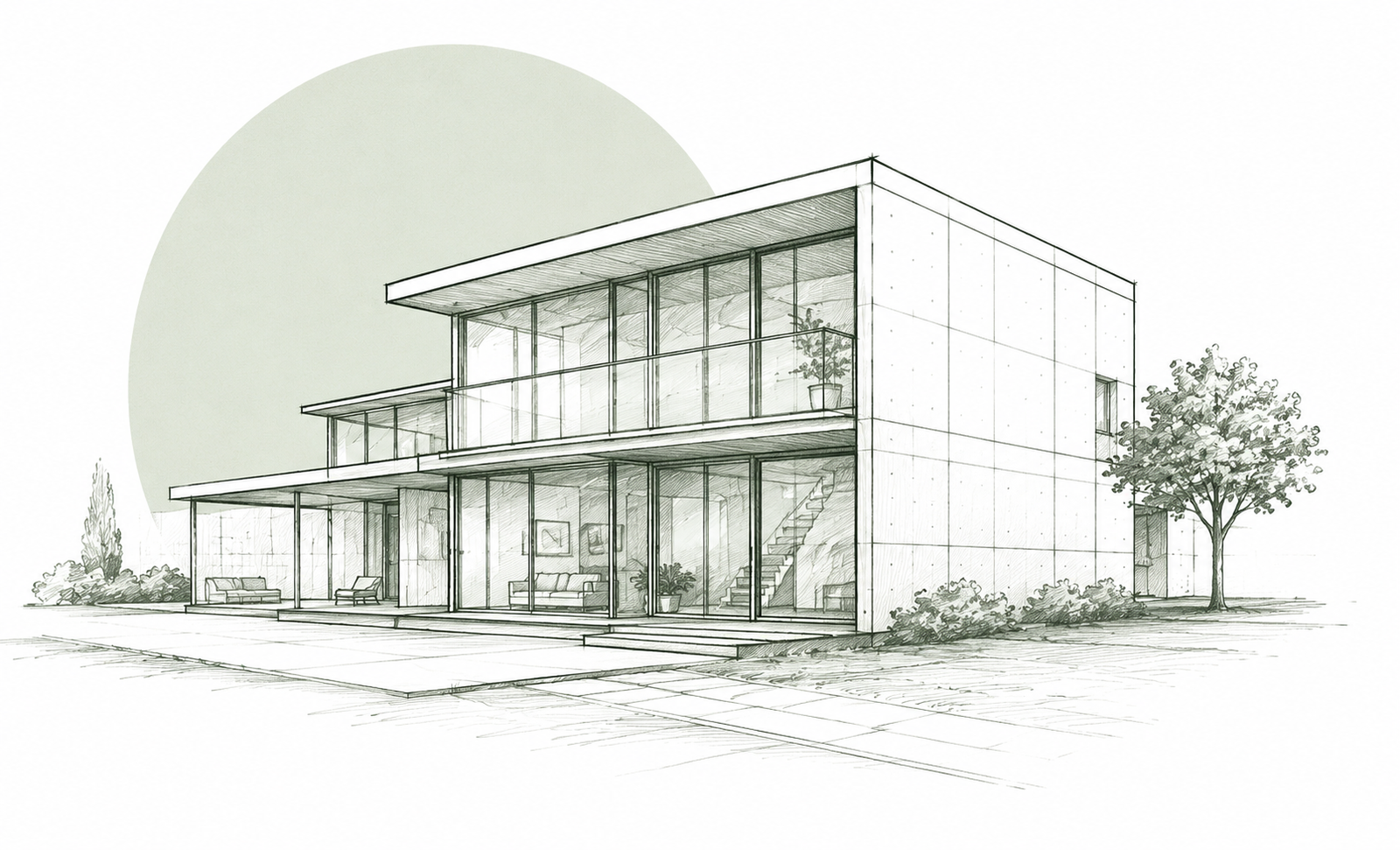
Big glass doors and rooflights bring in light, but they’re also where heat escapes fastest in winter and where a room overheats fastest in summer. Getting the balance right, sometimes with solar control glass or well-placed shading, matters more than simply maximising glass area.
Air tightness matters more than people think
A well-insulated extension with poor air sealing around junctions, sockets and the loft hatch can still feel draughty. This is one of the areas building control checks carefully, and it’s worth getting right the first time rather than chasing draughts after the fact.
We build these considerations into the drawings from the start. If you’d like an extension that’s comfortable as well as compliant, get in touch.